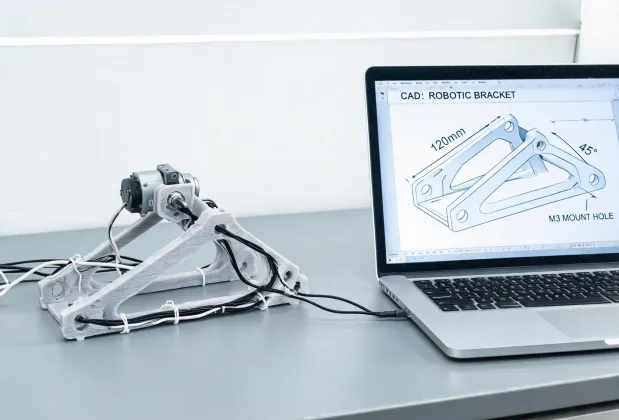
Robotics and automation
End-of-arm tooling, sensor mounts, covers, and cable guides can be iterated quickly while keeping fit and stiffness notes attached to the build.
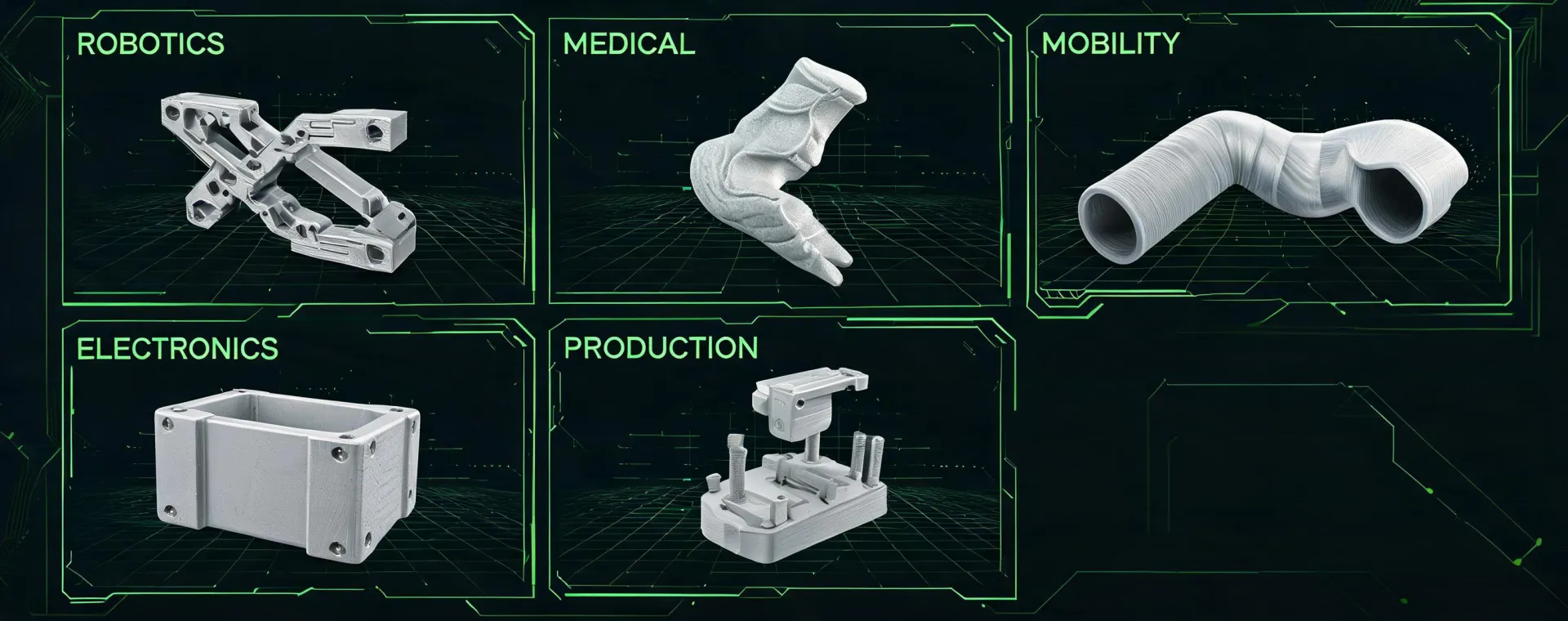
Sculpteo supports teams that need additive manufacturing to solve a real engineering or purchasing constraint: test faster, remove assembly weight, bridge supply gaps, or validate geometry before tooling. Each industry route keeps the same compact discipline. The file is checked for manufacturability, the material path is explained, the finish is tied to the use case, and the quote notes show what documentation can travel with the order.
End-of-arm tooling, sensor mounts, covers, and cable guides can be iterated quickly while keeping fit and stiffness notes attached to the build.
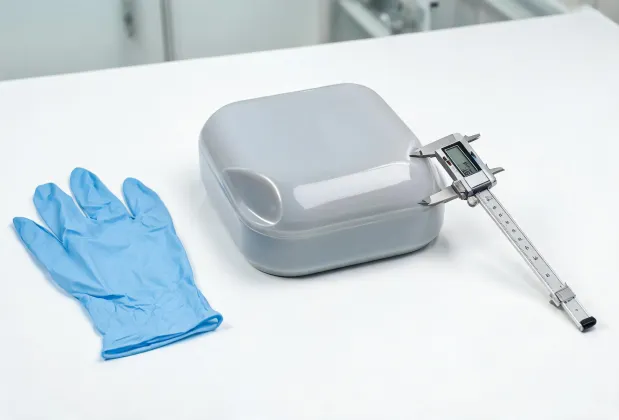
Form studies, device housings, anatomical models, and test fixtures can be quoted with finish, cleanliness, and documentation expectations visible.
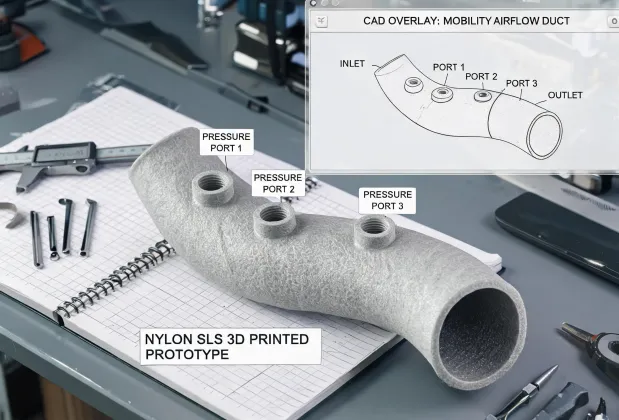
Air ducts, mounts, protective covers, and assembly aids can move from prototype to short-run with controlled material and build orientation notes.
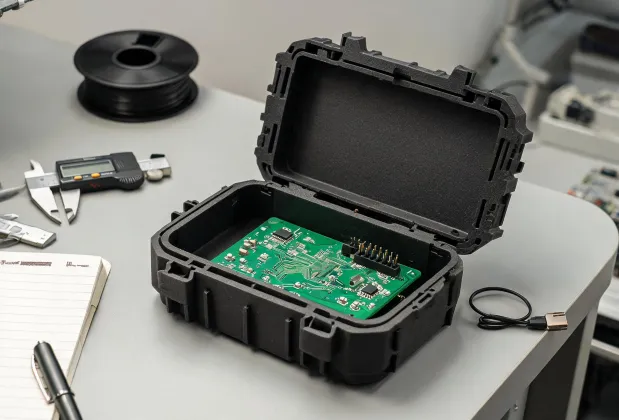
Enclosures, test jigs, battery covers, and connector guards can be printed before tooling while still tracking fit, texture, and insert needs.
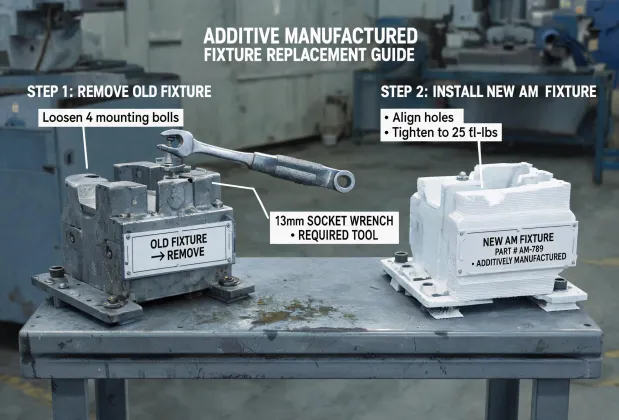
Low-volume fixtures, service guides, guards, and replacement aids can be produced without waiting for full tooling or high minimum order quantities.
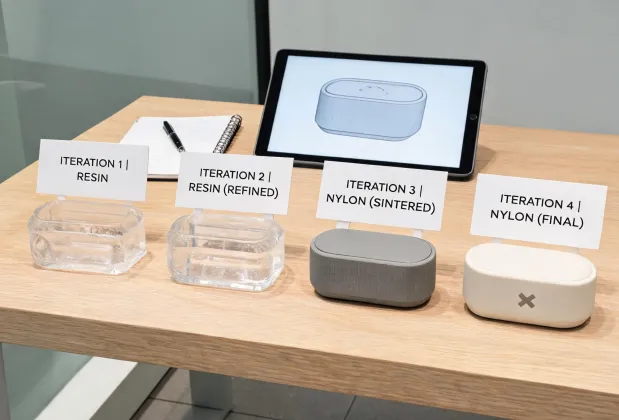
Appearance models and functional builds help teams test ergonomics, assembly, and packaging decisions before committing to molded parts.
Figures are internal operating references for quote and routing capacity, maintained as of the current planning cycle.
Use case matters. A prototype enclosure, a robot bracket, and a medical model may all start as 3D printing requests, but each one has different geometry risk, finish logic, and documentation needs. The quote team can keep those assumptions clear before the order starts.